
Motherhood Against Inherited Fear
Legado en los huesosThis flow follows Amaia’s struggle to become a loving mother while confronting the possibility that the violence she endured may shape how she understands care, safety, and family.
increasing Bearing strength in each event
 decreasing
Bearing strength in each eventdecreasingAn Unnamed Child
The Child She Cannot Name
A Longed-for Arrival
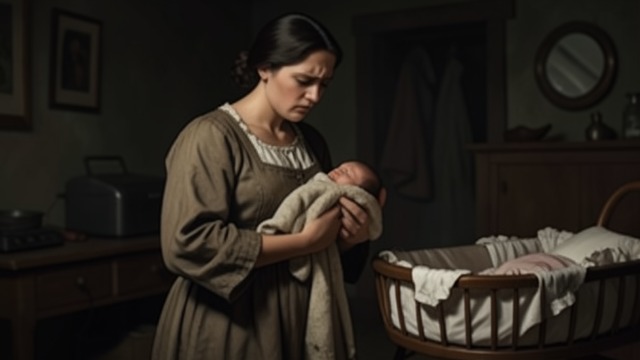
Amaia has wanted a child for years, yet as her pregnancy nears its end she struggles to choose a name or buy the frilled clothes her mother-in-law favors. Her reluctance unsettles her because it seems incompatible with the love she already feels for the baby.
The hesitation is not simple indifference. Amaia senses that becoming a mother will expose parts of her own childhood she has survived by controlling, and she fears that love alone may not protect her from repeating what was done to her.
A Difficult Beginning
Labor brings both physical pain and the return of old terror. In a dreamscape crowded with dead girls and demands to cleanse the river, Amaia must force herself back to the present in order to give birth.
The baby is a boy, Ibai, not the daughter everyone expected. The surprise gives the family joy, but it also places Amaia’s anxieties in sharper relief: motherhood arrives as a real relationship, not an ideal she can prepare for in advance.
The Measure of a Good Mother
Love Under Pressure
Care as a Test
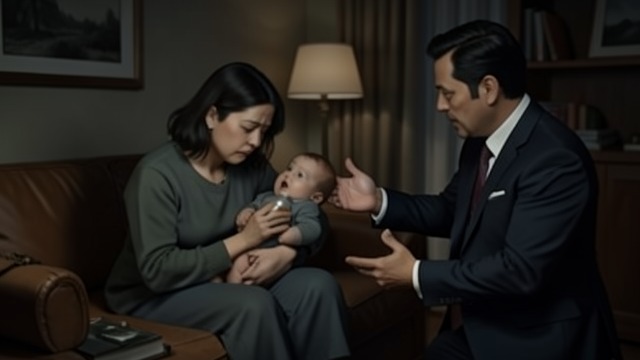
Amaia’s return to police work makes feeding and separation feel like tests she is failing. When Ibai rejects a bottle and cries, she blames herself even after James reassures her that the child has not been harmed.
Her distress is intensified by the image of the mother she feared: if she is tired, angry, or unable to meet every need, she worries that she may be becoming cruel. The novel presents this fear as a wound, not as evidence that Amaia lacks love.
The Body’s Limits
As breastfeeding becomes difficult, Amaia experiences the end of nursing as a personal defeat. She wants to continue for Ibai, but her work, exhaustion, and changing body make the decision more complicated than the reassuring language of parenting advice suggests.
The tension gradually shifts from the impossible demand to be perfect toward the harder work of accepting limits. James’s practical care and Amaia’s continuing tenderness show that feeding choices do not determine whether a mother loves her child.
The Mother in the Night
An Old Threat Returns
Fear Given a Face
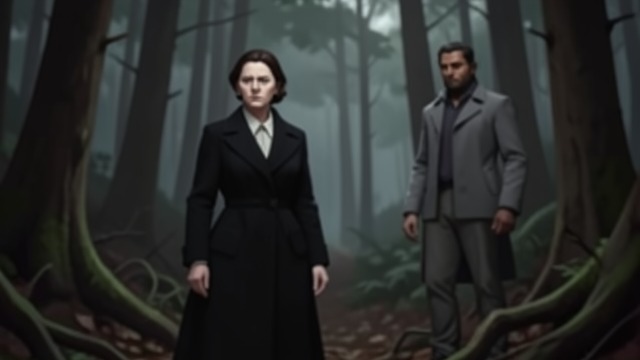
When Rosario escapes confinement, Amaia’s childhood terror becomes a present danger again. The mother who once watched her at night is now physically mobile, and the threat she represents is no longer only a memory or a nightmare.
Amaia must distinguish the adult investigator from the frightened child she once was. She can name what happened, understand the threat, and carry a weapon, but none of those facts immediately erase the body’s learned fear.
The Next Generation
The danger becomes explicit when Amaia learns Rosario had threatened to eat the expected granddaughter. Because the family believed Amaia was having a girl, the threat makes her fear that Ibai’s safety depends on a mistaken assumption rather than on any true change in Rosario’s intentions.
The crisis forces Amaia to confront the possibility that her mother’s violence is not merely a private family wound. It may be repeated against her child, making protection—not explanation—the immediate measure of maternal love.
Protection as a Choice
Motherhood in Action
The Child in the Circle
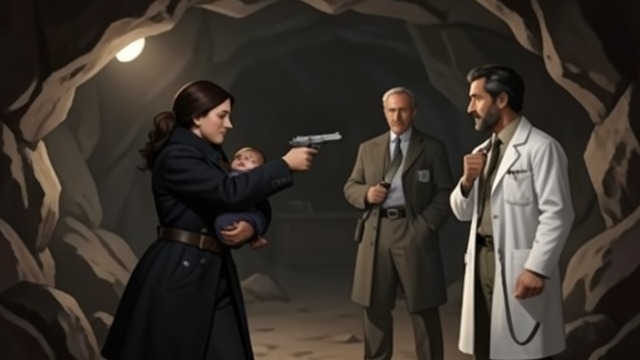
Amaia finds Ibai alive on the cave floor, placed within a ritual design while Rosario holds a knife and Doctor Berasategui watches. The scene collapses the distinctions between family memory, criminal manipulation, and immediate physical danger.
Rosario’s confusion about the missing girl reveals that the ritual is tied to the daughter she expected, while Amaia’s insistence that Ibai is her son asserts the child’s actual identity against the fantasy imposed upon him.
Breaking the Inheritance
Amaia keeps her weapon trained on the adults, removes Ibai from the ritual, and calls for help rather than yielding to the childhood paralysis Rosario once induced. She does not defeat the old trauma simply by feeling brave; she acts while afraid because a child depends on her.
That choice is the story’s clearest answer to Amaia’s fear of becoming her mother. Protection here is neither flawless serenity nor control over every outcome. It is a refusal to let violence pass unchallenged to the next generation.
Love Beyond Repair
The Work of Mothering
A Missing Mother
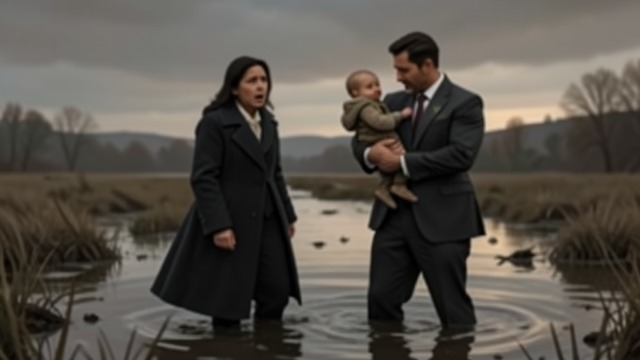
After Rosario vanishes into the flood, Amaia refuses to accept that the danger has ended. She tells James she still feels her mother’s threat, revealing how trauma can persist even when the immediate offender is absent.
Her fear does not cancel her love for Ibai, just as her love cannot guarantee a world without danger. The story avoids treating maternal devotion as a magical solution to violence.
A Different Inheritance
The final return of the twin’s remains to the family burial ground gives Amaia a way to honor a child whose life was concealed. It does not undo the past, but it rejects the family’s silence about the dead and the harm inflicted on the living.
Amaia’s emerging model of motherhood is therefore an active, imperfect alternative to Rosario’s. It is founded on acknowledgment, protection, and care, even where no act can recover what was lost.
In the final weeks of Amaia’s pregnancy
In the first months after Ibai’s birth
After Rosario’s escape from the clinic and before Ibai’s abduction
During the storm, as Amaia reaches the cave
In the closing scene, after Rosario disappears in the flood
